The Major Arcana and the Fool’s Journey
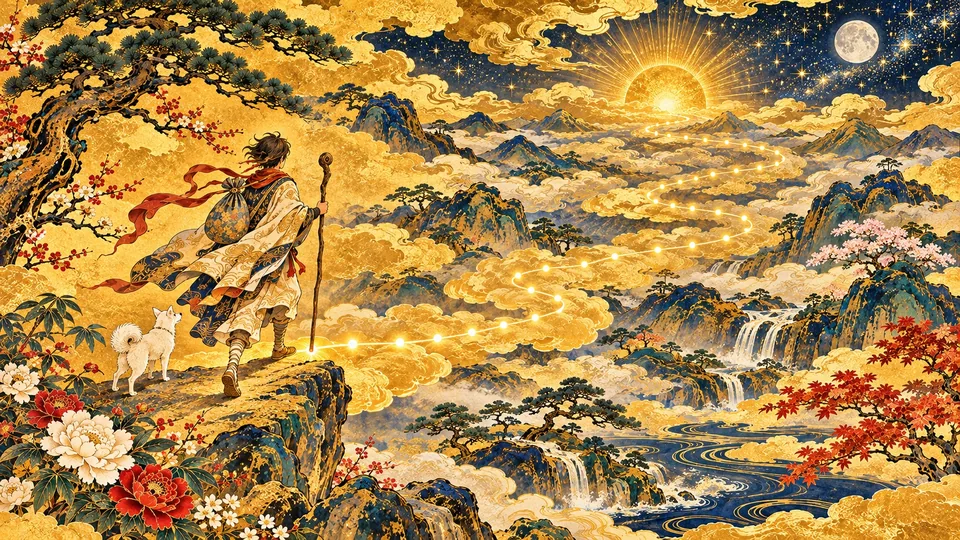
The 22 cards from 0, the Fool, to 21, the World, are easier to remember if you read them as the story of one traveller growing up. Let’s follow it in three stages.
On this page
(Beginner · about 4 minutes to read)
The Major Arcana stand for the big milestones of life and for changes happening deep in the heart. Rather than learning the 22 cards one by one, looking at them in order as a story makes each card’s role clear. This view is called “the Fool’s Journey”, and many writers, among them Eden Gray and Joan Bunning, have introduced it. Rachel Pollack also showed a way of reading the 21 cards other than the Fool laid out in three rows of seven. Building on that idea, here we follow the journey in three stages.
1.The traveller
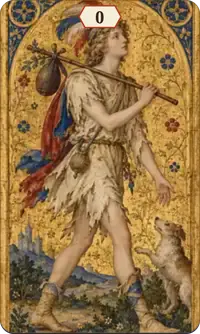
The Fool, number 0, is a traveller without a number. Belonging to no stage, the Fool visits every card in turn; think of the Fool as “you”.
2.Stage 1 (1–7): making yourself in the outside world
First, the traveller gains the strength to live in society. From the Magician they learn will and skill, and from the High Priestess quiet wisdom. The Empress shows abundance and the power to nurture, the Emperor order and responsibility, and the Hierophant tradition and teaching. In the Lovers they face an important choice and their own values, and in the Chariot they give their will shape and move forward. This stage is likened to a child growing up and making a place for themselves in society.
3.Cards of stage 1
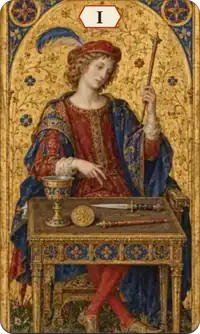
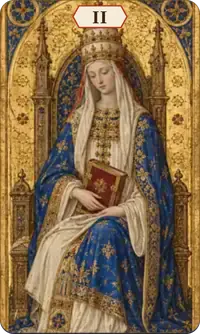
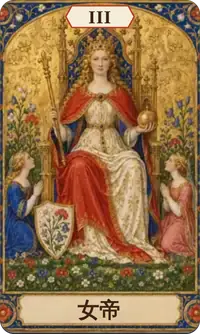
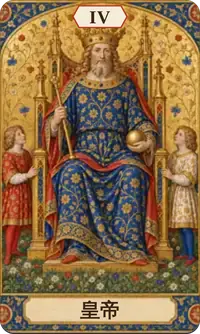
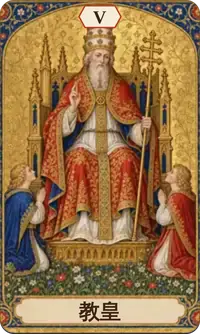
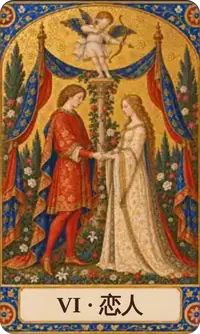
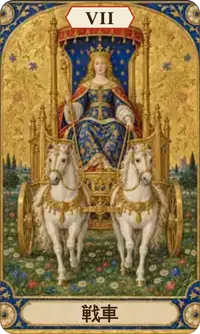
The Magician, the High Priestess, the Empress, the Emperor, the Hierophant, the Lovers, the Chariot. The themes are dealing with the outside world, learning and choosing.
4.Stage 2 (8–14): turning inward
Having won success in the outside world, the traveller next faces the inner self. Strength is the strength to tame wild impulses with gentleness. The Hermit, alone with an hourglass (a lantern in later decks), takes time to look for the true answer. The Wheel of Fortune teaches that some currents can’t be moved by your strength alone. In Justice you accept the results of your actions, and in the Hanged Man you turn your viewpoint upside down to see things afresh. Death is ending and rebirth, and Temperance the power to blend different things into a new harmony. The Death card looks frightening, but most schools read it not as “physical death” but as “the end of one stage and the start of the next”.
5.Cards of stage 2
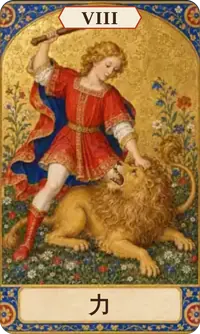
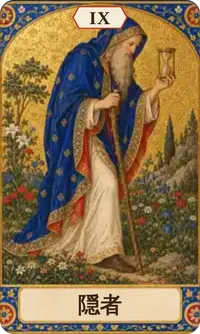
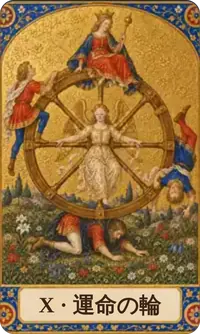
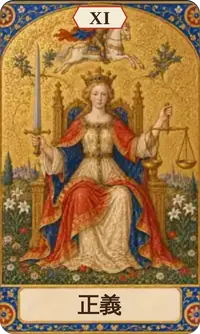
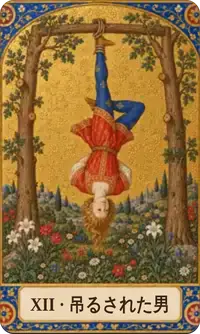
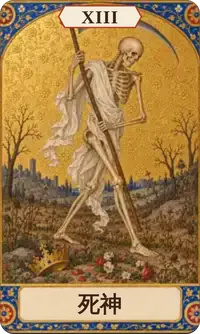
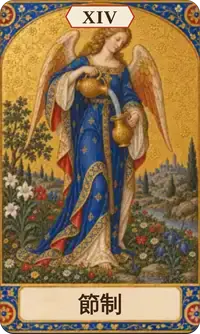
Strength, the Hermit, the Wheel of Fortune, Justice, the Hanged Man, Death, Temperance. The themes are letting go, acceptance and inner maturity.
6.Stage 3 (15–21): the depths of the soul, and light
The last stage carries bigger, more universal themes. The Devil shows a state of being bound by attachments and fixed ideas, and the Tower the shocking moment they collapse. In the quiet after the fall, the Star lights a hope; in the Moon you feel your way through anxiety and illusion. In the Sun you regain bright joy and vitality, in Judgement you accept the past and answer a new call, and in the World one journey is complete. The traveller, now complete, sets out on the next journey as a new Fool.
7.Cards of stage 3
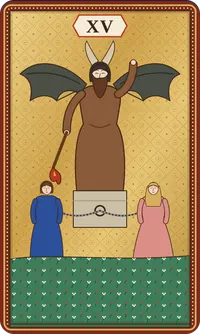
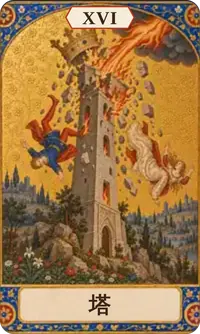
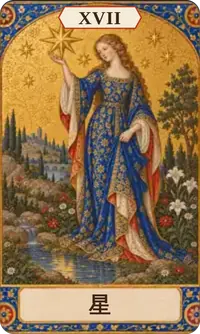
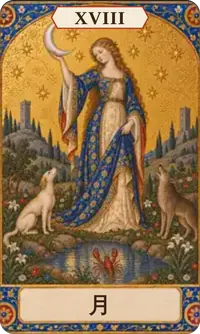
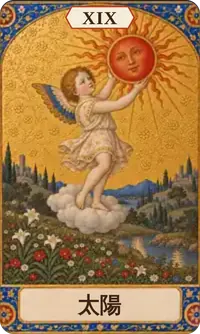
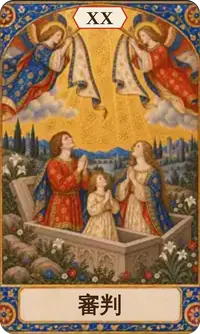
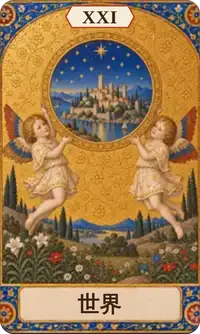
The Devil, the Tower, the Star, the Moon, the Sun, Judgement, the World. A flow of facing the shadow, regaining the light and moving towards wholeness.
8.When Major Arcana appear in a reading
When many Major Arcana come up, the usual reading is that “themes touching the course of your life are in motion, more than small everyday events”. If it is all Minor Arcana, on the other hand, much can be changed by concrete action and daily effort. Looking at which stage of the journey the cards belong to also hints at whether now is a time to test your strength outside or to put your inner life in order.
9.Tips for remembering
- Sum up each stage in a phrase: “learning outside”, “maturing inside”, “integrating the soul”.
- Look at neighbouring cards as pairs (the Emperor and the Hierophant = outer authority and spiritual authority; the Tower and the Star = collapse and hope).
- Stack the rows and compare down the columns: 1, 8 and 15 (the Magician, Strength and the Devil in Waite numbering) are all cards about “how power is used”. In the Marseille deck 8 is Justice, so you can read the column as “power and its restraint”.
10.A common misunderstanding
Learning the cards as a story, it is easy to think “the higher the number, the better the card” or “the later cards are a more advanced stage”. But the Fool’s Journey isn’t a straight climb up a ladder. Even as adults we return to the Magician’s stage again and again to start new things, and we are shaken by Tower-like events many times. And Death (13) is usually read not as literal death but as the break that ends one stage and moves you to the next. The numbers mark the order of the story; they don’t rank the cards as good or bad, or people as better or worse.
11.Practice
Imagine the Major Arcana laid out in the encyclopedia in three rows of seven, and pick the card that draws you most from each row. Write down where these three cards fit in your own journey right now.
12.Quiz
Q1. In the Fool’s Journey, what is the Fool (0)?
- The one who appears complete at the end
- The traveller who visits every card
- An enemy who blocks the journey
Answer: The traveller who visits every card. The Fool is a traveller without a number, who grows by visiting the other 21 cards in turn.
Q2. How is Death (13) usually read?
- The end of one stage and the start of the next
- Misfortune is certain
- A forecast of physical death
Answer: The end of one stage and the start of the next. In most schools Death is a card of transformation and transition. Endings lead to new beginnings.
Q3. What does it usually mean when many Major Arcana come up?
- Nothing is changing
- Big themes touching the course of your life are in motion
- The reading has failed
Answer: Big themes are in motion. The Major Arcana stand for milestones and deep themes, so many of them suggest the period matters a great deal.
13.Draw a card
Yorozu Goyomi’s tarot reading lets you do a one-card draw, a three-card spread, an either-or reading and the Celtic Cross, free and with no sign-up. Look up the meanings of all 78 cards in the tarot card encyclopedia.
Now try a reading for yourself
Free readings related to this article.
Read next