The Minor Arcana: the four suits and their elements
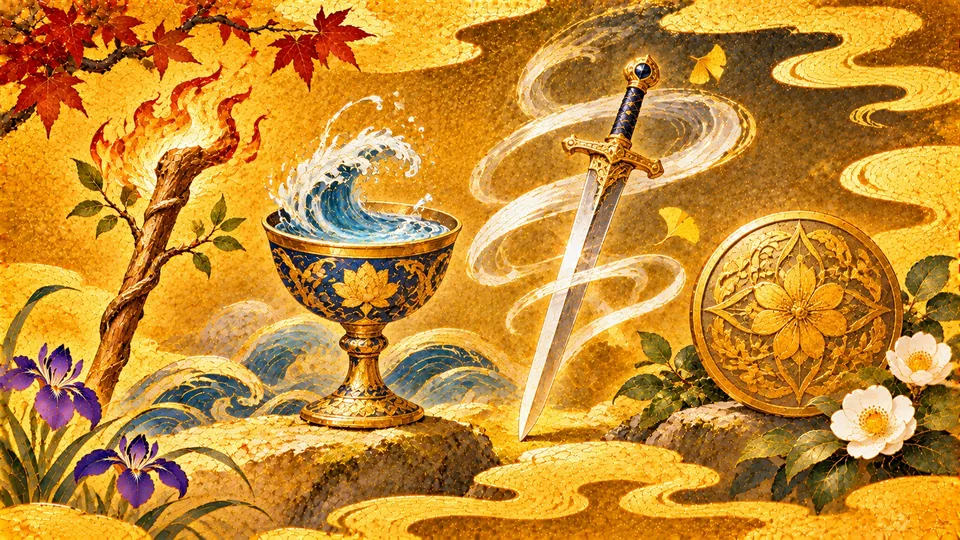
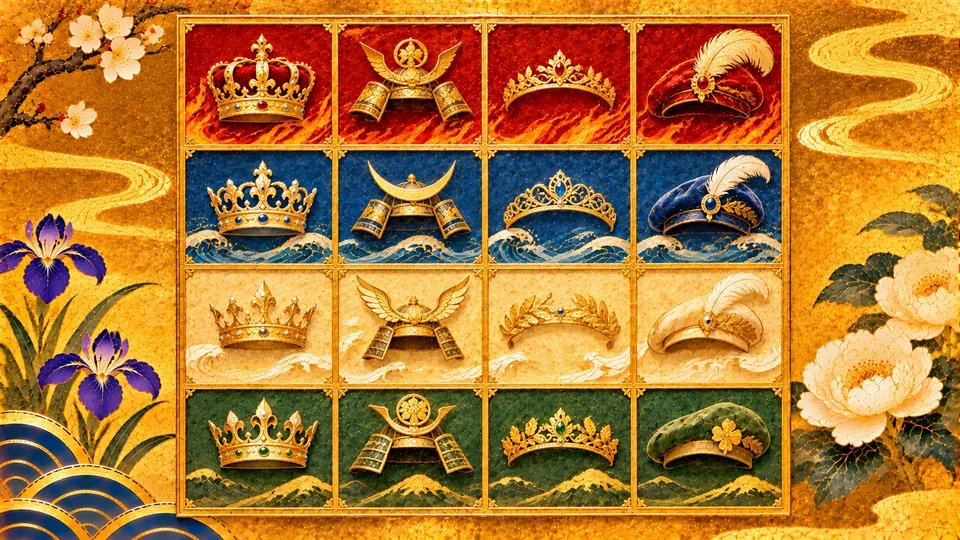
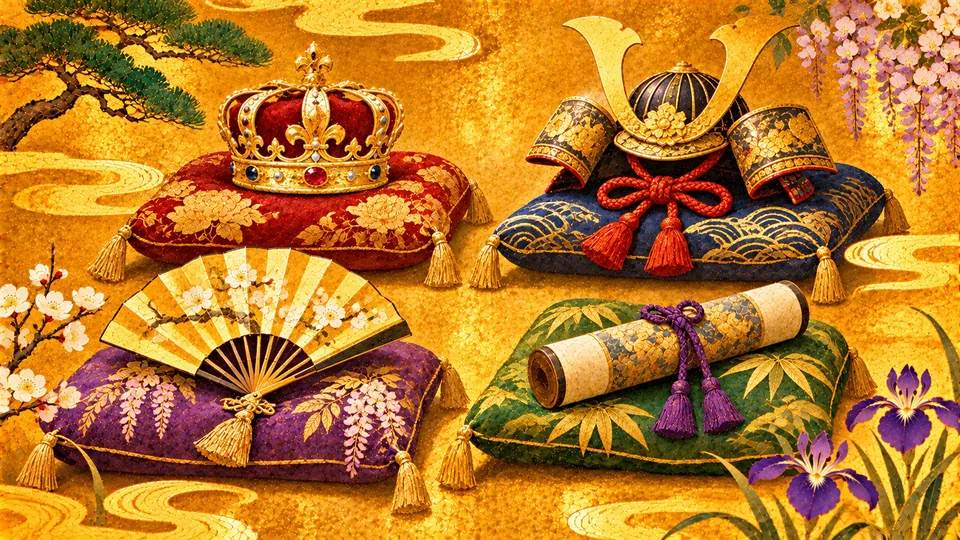
The four suits, Wands, Cups, Swords and Pentacles, are tied to the four elements of fire, water, air and earth. Once you grasp each suit’s character, the 56 Minor Arcana suddenly become much easier to read.
On this page
(Elementary · about 5 minutes to read)
The 56 Minor Arcana are divided into four suits of 14 cards each. They are siblings of ordinary playing cards, sharing the same roots (four-suited cards reached Europe from the Islamic world around the 1370s, earlier than tarot, and hearts, diamonds, clubs and spades were born in France around 1480), and they depict everyday events and the movements of the heart in fine detail. Each suit is thought to match one of the four elements known since ancient Greece. These links were systematised by the Golden Dawn and are now common ground for most readers who use the Waite deck.
1.Wands = Fire
A sprouting wooden staff is a symbol of the life force that wants to grow. Wands stand for passion, motivation, creativity, challenge and drive. In work, a new project or going independent; in love, an exciting rush of passion. Burned too hot, it becomes impatience or burnout. In seasons it is linked with spring into summer, and in time with “getting moving right away”.
2.Typical Wands
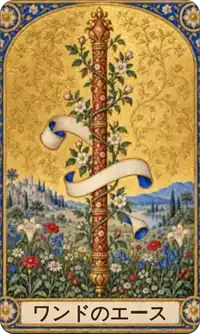
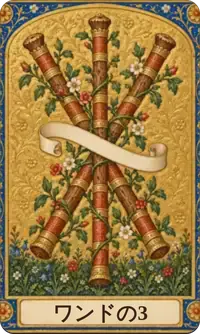
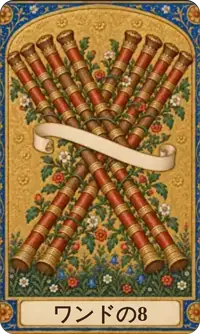
The Ace, Three and Eight of Wands. The flame of a beginning, a far-reaching vision, and the speed of rushing ahead: that is the fire in them.
3.Cups = Water
A cup filled with water is a vessel for the heart and feelings. Cups stand for love, empathy, relationships, healing, imagination and intuition, and appear often in questions about love, friendship and family. When the water overflows you are swept along by feelings; when it pools, it becomes stagnation or lingering regret. When you look at a Cups card, it helps to ask “is the heart filled?” and “who is it connected with?”
4.Typical Cups
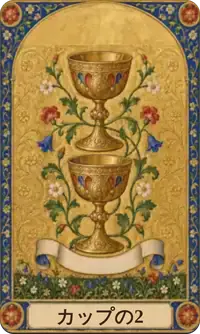
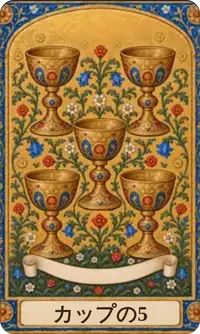
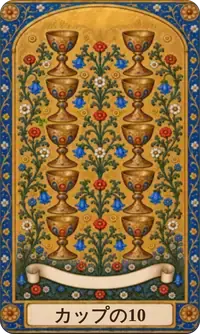
The Two, Five and Ten of Cups. The joy of hearts meeting, grief for what has been lost, a family’s contented happiness. The breadth of feeling is what marks the Cups.
5.Swords = Air
A sword slicing through the air is a symbol of thought and words. Swords stand for intellect, judgment, analysis, communication and truth, and also for conflict and anxiety. A sword is a tool for cutting things apart and making them clear, but it can also hurt others and yourself. Perhaps so many Swords cards have harsh pictures because overthinking and crossed words so easily cause us pain.
6.Typical Swords
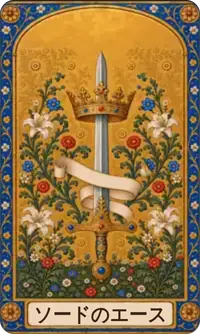
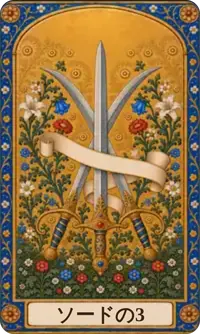
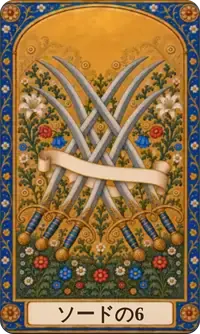
The Ace, Three and Six of Swords. The sharpness that sees through to the truth, heartache, and a quiet journey away from trouble. Both the clarity and the pain that thought brings are shown.
7.Pentacles = Earth
The coin engraved with a pentagram (the pentacle) in the Waite deck is a symbol of things with form: matter and reality. Pentacles stand for money, work, skill, health, the body, the home, and results nurtured over time. Their progress is slow but sure, showing effort taking visible form. In the Marseille deck they are deniers (coins), and some decks call them Coins or Disks. The card art on this site follows 15th-century Milanese cards and shows them as plain gold coins (denari) without a pentagram.
8.Typical Pentacles
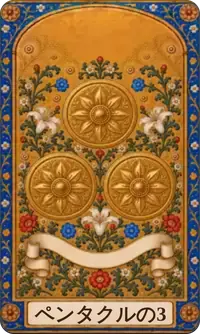
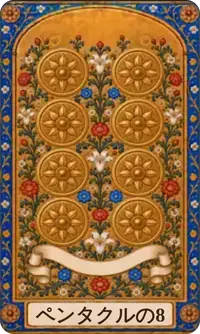
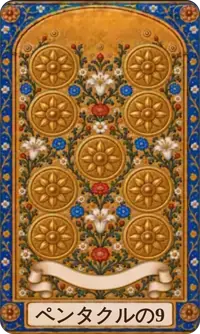
The Three, Eight and Nine of Pentacles. Skill built through teamwork, a craftsman’s hand honed bit by bit, and plenty won by effort. Earth’s steadiness shows clearly.
9.The four suits at a glance
- Wands / Fire: passion, action, creation. Keyword: “I want to”
- Cups / Water: feeling, love, connection. Keyword: “I feel”
- Swords / Air: thought, words, judgment. Keyword: “I think”
- Pentacles / Earth: reality, money, the body. Keyword: “I make it real”
10.Differences between schools
The majority pairing is as above, but some traditions read Wands as Air and Swords as Fire, on the idea that a sword is born in the forge’s fire and a staff is cut from a tree that sways in the wind. Yorozu Goyomi’s tarot reading uses the majority pairing, “Wands = Fire, Swords = Air”. If you see the opposite in another book, neither is wrong; it is simply a different system.
11.Hints for reading
Just seeing which suit dominates a spread tells you something about the situation. If you ask about work but get nothing but Cups, you can read it as “the heart of this problem lies in feelings and relationships more than in the terms”; lots of Swords may tell you “perhaps you’re thinking so hard you can’t move”.
12.Comparing the four Aces for one question
Imagine asking “How will my new job begin?” and drawing each of the Aces. The Ace of Wands: “a beginning led by the urge to try it”. The Ace of Cups: “it begins with loving the work, or with meeting people”. The Ace of Swords: “a clear goal or idea opens the way”. The Ace of Pentacles: “a tangible opportunity, such as concrete terms or income, comes into your hands”. The same “beginning” changes in quality with the suit. A common mistake is thinking only Pentacles matter because it is a question about work. Every suit lights up a different side of the question.
13.The four Aces
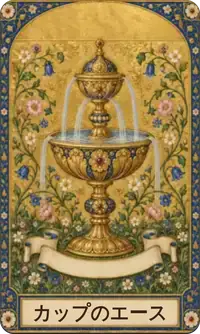
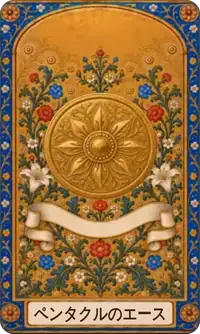
The Aces of Wands, Cups, Swords and Pentacles. The difference in what is drawn, staff, cup, sword, coin, is the difference in element.
14.Practice
Do a three-card draw on the site and count only the suits of the cards. Does the most common element match what is at the center of your mind right now? If an element is missing, think of one action that would make up for it.
15.Quiz
Q1. What do the Cups mainly stand for?
- Money and results at work
- Feelings and relationships
- Thought and words
Answer: Feelings and relationships. The Cups are the Water suit, standing for the movements of the heart: love, empathy and connection.
Q2. In the majority pairing, which element goes with the Swords?
- Air
- Earth
- Fire
Answer: Air. The Swords are usually the Air suit, standing for thought and words. Some traditions say Fire.
Q3. You ask about work and many Cups come up. How might you read it?
- You chose the cards wrongly
- The heart of the problem may lie in feelings and relationships
- Your money luck is soaring
Answer: The heart of the problem may lie in feelings and relationships. Which suit dominates hints at which side of the situation matters most.
16.Draw a card
Yorozu Goyomi’s tarot reading lets you do a one-card draw, a three-card spread, an either-or reading and the Celtic Cross, free and with no sign-up. Look up the meanings of all 78 cards in the tarot card encyclopedia.
Now try a reading for yourself
Free readings related to this article.
Read next