What is Doyō?
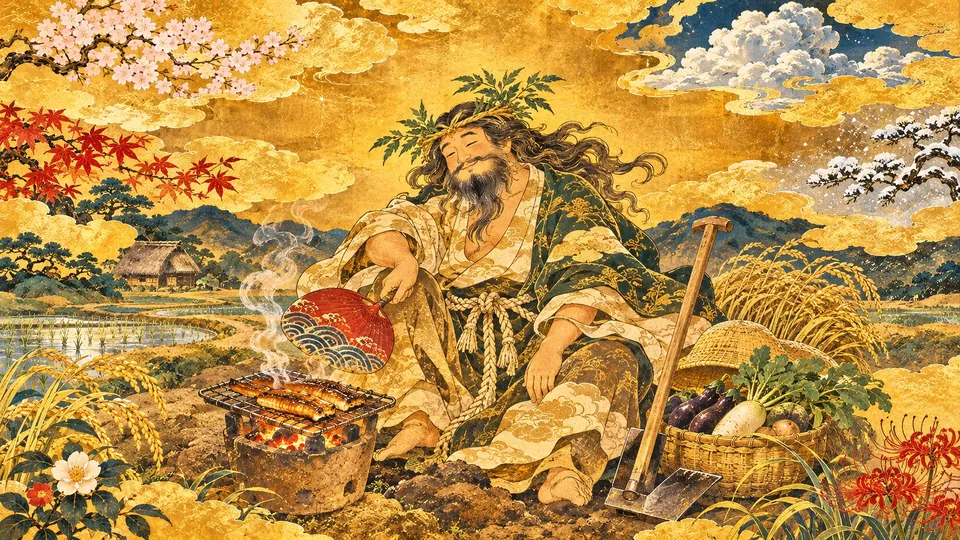
Doyō (土用) is the period of about 18 days (17 to 19, depending on the year) just before each of Risshun, Rikka, Risshū and Rittō, the starts of the four seasons. The “Ox day of Doyō” in summer is the famous one, but Doyō comes four times a year. It has long been seen as a time to look after your body and your household before the season turns.
On this page
Until Nov 6 (Fri) (2 days including today). Coming rest days: Nov 5 (Thu)
1.Doyō comes from the five elements
Five-element theory assigns spring to wood, summer to fire, autumn to metal and winter to water. That leaves earth without a season. So the last 18 or so days of each season were given to earth: these are the Doyō periods. Divide the year roughly into five and each element gets 72 days; earth’s 72 days are split into four and placed at the end of each season.
Earth is the element that nurtures things and passes them on to what comes next. Doyō, at the end of each season, was seen as the time when one season hands over to the next.
2.This year’s and next year’s Doyō
Doyō in 2026
| Season | Period | Rest days (mabi) | Ox days |
|---|---|---|---|
| Winter Doyō (before Risshun) | Jan 17 (Sat) – Feb 3 (Tue) | Jan 17, Jan 19, Jan 28, Jan 29, Jan 31 | Jan 27 (Tue) |
| Spring Doyō (before Rikka) | Apr 17 (Fri) – May 4 (Mon) | Apr 17, Apr 25, Apr 26 (Ōtsuchi), Apr 29 (Ōtsuchi) | Apr 21 (Tue), May 3 (Sun) |
| Summer Doyō (before Risshū) | Jul 20 (Mon) – Aug 6 (Thu) | Jul 21, Jul 28, Jul 29, Aug 2 | Jul 26 (Sun) |
| Autumn Doyō (before Rittō) | Oct 20 (Tue) – Nov 6 (Fri) | Oct 24 (Ōtsuchi), Oct 26 (Ōtsuchi), Oct 28 (Ōtsuchi), Nov 5 (Kotsuchi) | Oct 30 (Fri) |
Doyō in 2027
| Season | Period | Rest days (mabi) | Ox days |
|---|---|---|---|
| Winter Doyō (before Risshun) | Jan 17 (Sun) – Feb 3 (Wed) | Jan 23, Jan 24, Jan 26 | Jan 22 (Fri), Feb 3 (Wed) |
| Spring Doyō (before Rikka) | Apr 17 (Sat) – May 5 (Wed) | Apr 20, Apr 21 (Ōtsuchi), Apr 24 (Ōtsuchi), May 2 (Kotsuchi), May 3 (Kotsuchi) | Apr 28 (Wed) |
| Summer Doyō (before Risshū) | Jul 20 (Tue) – Aug 7 (Sat) | Jul 23, Jul 24, Jul 28, Aug 4, Aug 5 | Jul 21 (Wed), Aug 2 (Mon) |
| Autumn Doyō (before Rittō) | Oct 21 (Thu) – Nov 7 (Sun) | Oct 21 (Ōtsuchi), Oct 23 (Ōtsuchi), Oct 31 (Kotsuchi), Nov 2, Nov 4 | Oct 25 (Mon), Nov 6 (Sat) |
Rest days (mabi) are days within Doyō when working the soil is allowed. A rest day marked Ōtsuchi or Kotsuchi also falls in the almanac’s tsuchi period, when digging is avoided by that rule. Doyō begins when the sun reaches 27°, 117°, 207° or 297° of longitude, and ends on the day before Rikka, Risshū, Rittō or Risshun.
3.What not to do during Doyō
During Doyō, the earth god Dokujin is said to rule the soil, and the custom is to avoid moving earth:
- Gardening, weeding, tilling fields
- Digging wells, laying foundations, groundbreaking ceremonies
- Extensions and other work on a building’s foundations
On the rest days (mabi), however, the earth god is said to be away in heaven, so touching the soil is allowed (explanations of where this comes from vary). They are the days listed under “rest days” in the table above.
Some people also avoid “new beginnings” such as travel, moving house or changing jobs during Doyō, though this varies from region to region and family to family. If it worries you, choose a rest day or wait until Doyō is over. The list of lucky days to move house marks Doyō and its rest days.
4.The Ox day and eel
The custom of eating eel on the Ox day of summer Doyō is said to have spread in the Edo period. A well-known story says that the inventor Hiraga Gennai helped an eel shop by putting up a sign reading “Today is the Ox day”, but there is no reliable record of it; it is a legend.
There was already a custom of eating foods starting with “u” (udon, umeboshi pickled plums, uri melons) in summer Doyō to beat the summer heat. Some also say to eat foods starting with “hi” on the Goat day of winter Doyō, foods starting with “i” on the Dog day of spring, and foods starting with “ta” on the Dragon day of autumn.
5.How to spend Doyō
Doyō falls at the turn of the seasons, when it is easy to fall ill.
- Keep regular sleep and meals, and don’t overfill your diary
- Save big decisions for after Doyō, and use it to prepare and research
- Tidy up and get your clothes ready for the next season
The rules of the calendar are also a kind of wisdom for looking after body and home as the seasons change.
Now try a reading for yourself
Free readings related to this article.
Read next